Retail shrimp packaging: what to check before the cartons are printed and loaded

If you import shrimp under your own brand, you probably spend a lot of time on the product spec: size, count, glaze, net weight, treatment. The packaging often gets less attention. The artwork is approved, the packer orders the cartons, and the next time you see them is when the container is opened at your warehouse.
For retail, that is a risk. Your customer never sees the spec sheet. What they see first is your box on the shelf.
Here is a real case we followed recently, and what we recommend to importers who buy private label shrimp from Ecuador.
1. The case: two containers, two packers, two different results
A client imported two containers of HOSO (head-on, shell-on) shrimp in private label packaging: printed inner cartons packed in master cartons. Each container was packed by a different plant. The product was for retail distribution.
The first container arrived in good condition. The master cartons fit the inner cartons well, the corrugated board was strong enough for stacking, and the inner cartons were shrink-wrapped.
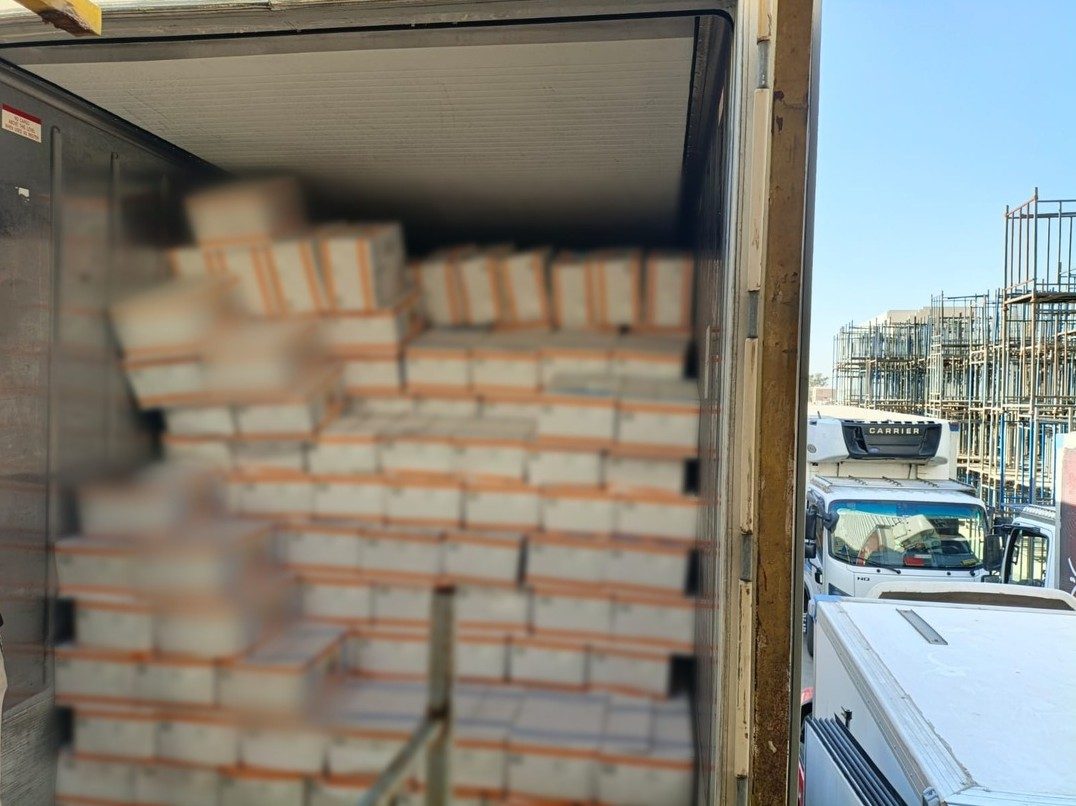
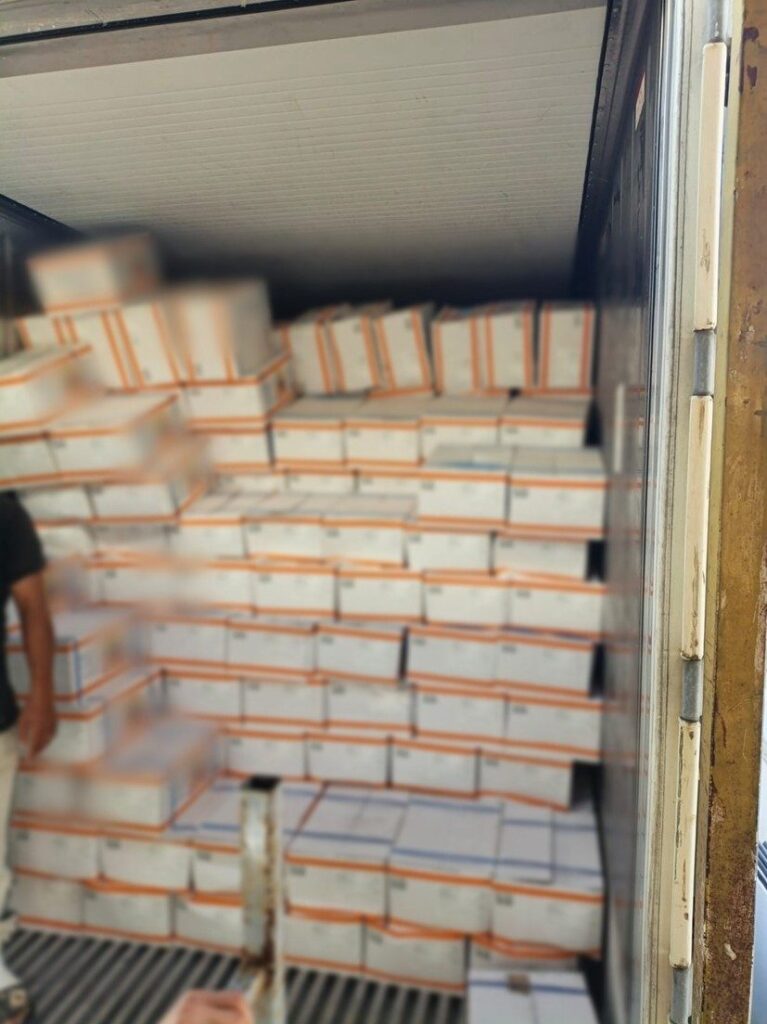
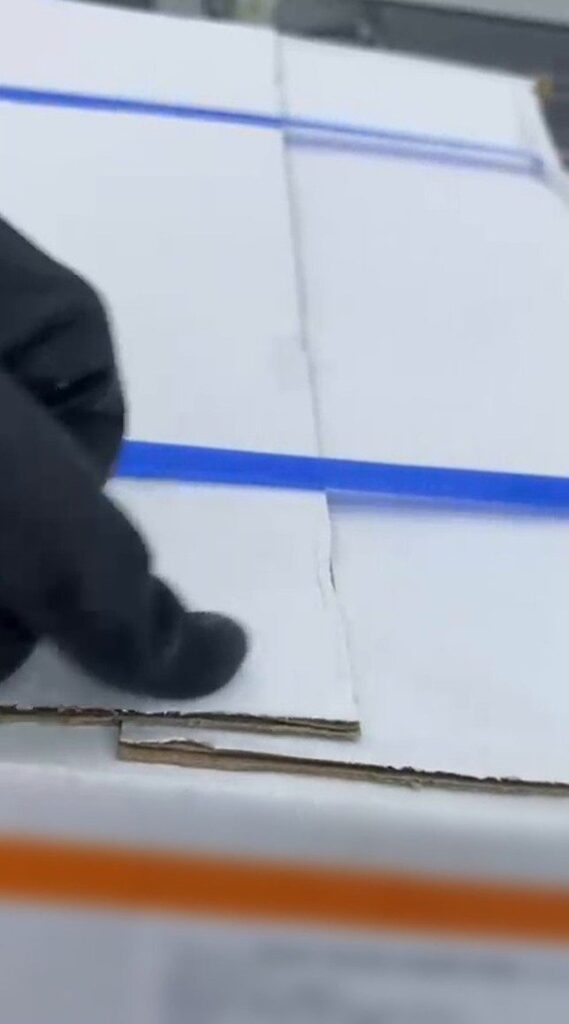
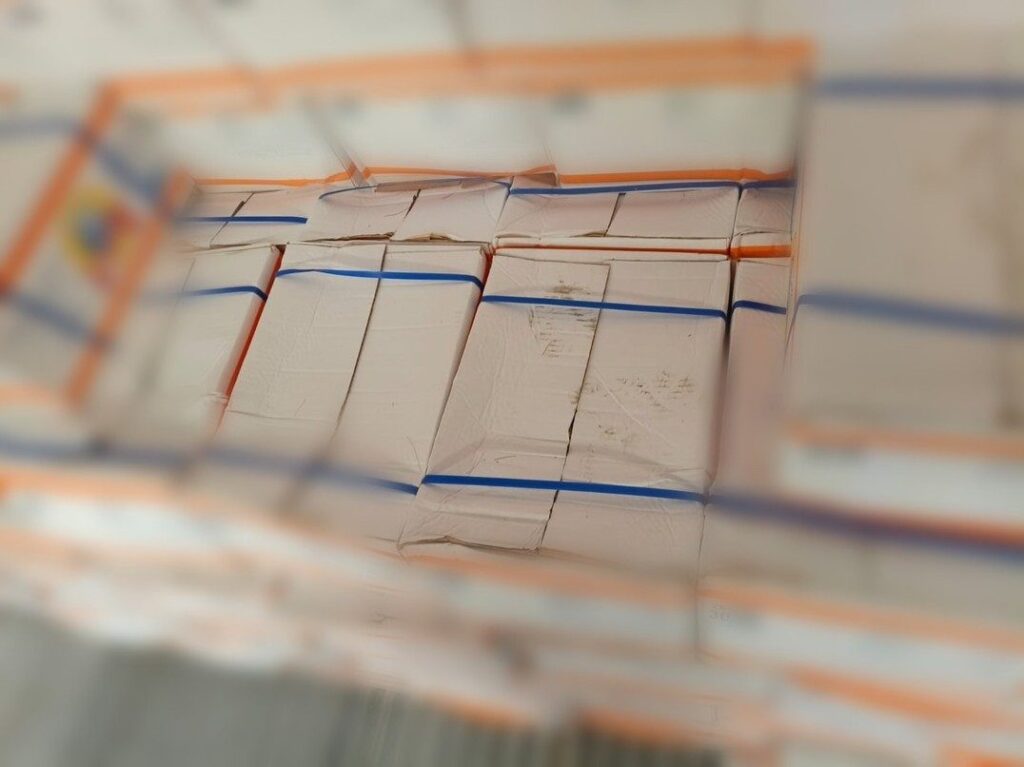
The second container arrived with damaged packaging. When it was opened at destination, many master cartons in the upper rows were crushed and leaning. Some inner cartons were open, and a few lids could not be closed again by hand.
The good news: the shrimp was in good condition and the cold chain was maintained. The problem was only the packaging. But for a retail product, that is not a small problem. A dented or open box is harder to sell, the retailer may reject it, and it does not show the brand the way the importer wants.
2. What was different in the second container
When we compared the two shipments, four differences stood out.
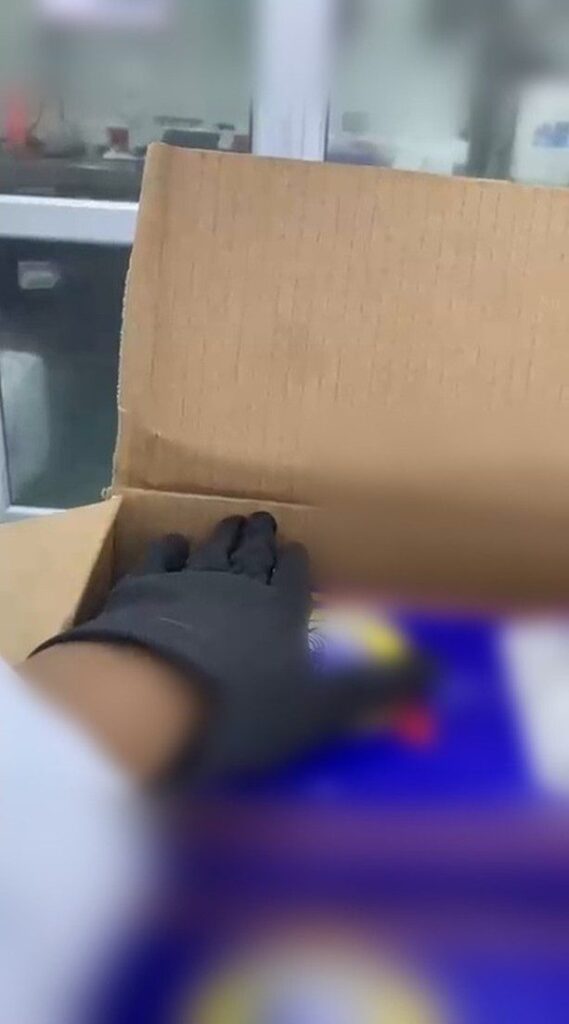
The master carton was oversized. Inside each master there were a few fingers of empty space above and beside the inner cartons. Our inspector checked this by hand during the pre-shipment inspection at the plant.
The corrugated board was lighter. The board used in the second order was weaker than in the first. With light product and a tall stack in a reefer container, board strength makes a big difference.
The inner cartons were not shrink-wrapped. In the first order, the shrink wrap held each inner carton closed and made the master more stable. In the second order there was no wrap.
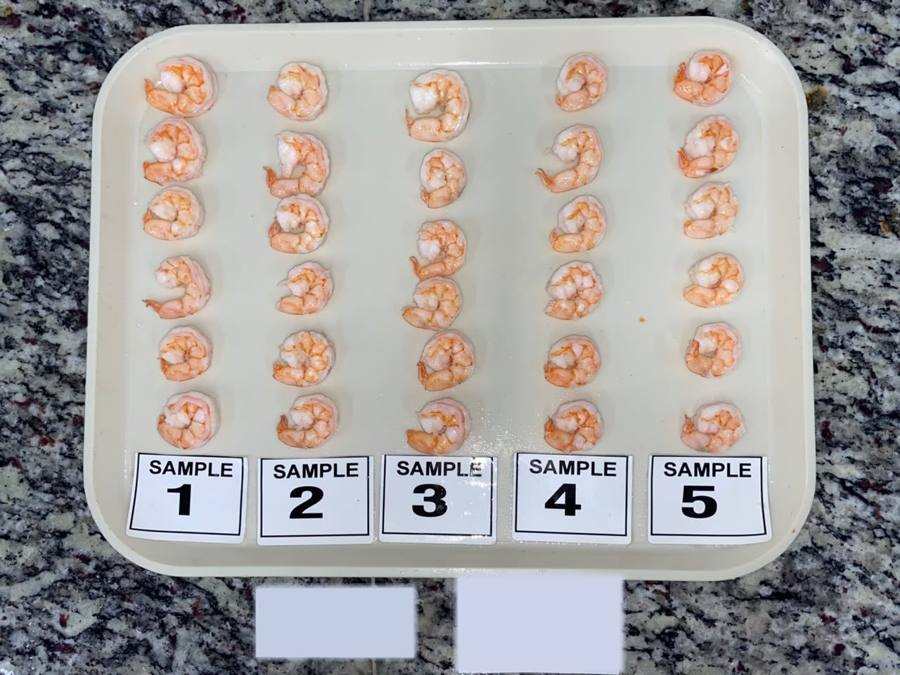
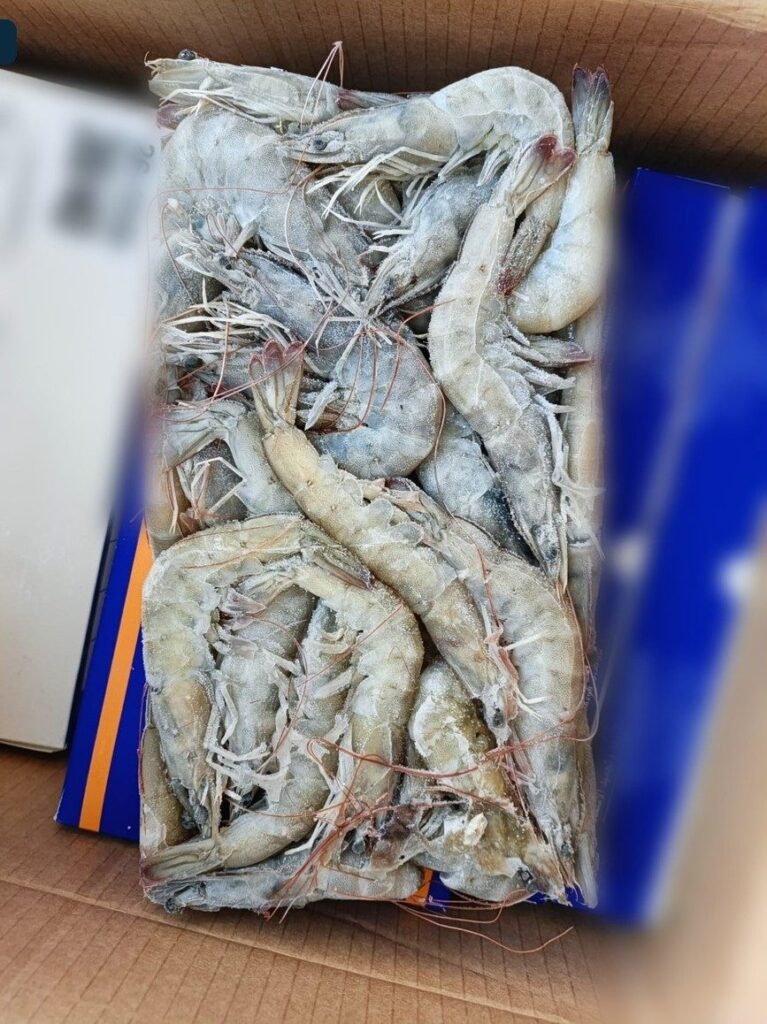
The product was packed semi-IQF, with nothing holding it. The shrimp was frozen loose inside the inner carton, with no poly bag and no glaze to keep the pieces together. When the carton moves, the product moves too, and it pushes the lid open.
3. Why this causes damage
A frozen master carton that is full is strong. The product inside supports the walls and the top, so the cardboard does not carry all the weight alone.
When there is empty space, the situation changes:
- The stacking load goes only to the cardboard, and the cartons in the upper rows start to bend and collapse.
- Loose master cartons make a less stable stack in the container. During the voyage and at each handling point, the cartons move and press against each other.
- Inside the master, loose inner cartons and loose semi-IQF product push against the lids until they open.
None of this is visible in a quality report about the shrimp. The product can meet every point of the spec and the box can still arrive in bad condition.
4. What to check before the cartons are printed
If you are buying under your own label, especially for retail, these are the points we suggest you agree with the packer before any carton is printed.
Dimensions based on the real product. The inner carton and the master carton should be designed around the actual product at the declared net weight, including glaze. A size copied from another product or another plant may not fit.
The inner carton must close completely. Check that the lid closes fully with the product inside, without pressure and without gaps. If the product is taller than the carton, the lid will open during transport.
No free space in the master. The inner cartons should fill the master carton. If there is space, either the inner carton is too small or the master is too big.
Board strength. Agree the type of corrugated board and its strength for a reefer container and the stacking height. A cheaper board may save a little per carton and cost much more at destination.
Shrink wrap or poly bag. Decide from the start if the inner cartons will be shrink-wrapped or if the product will go in a poly bag. Write it in the spec sheet so it does not change from one order to the next.
Glaze for semi-IQF packs. For semi-IQF product without a bag, a light glaze before closing keeps the shrimp together without turning it into a block, and helps the lid stay closed.
A packed sample before approving the print run. Ask the packer to pack one master carton with real product and send photos and measurements. This is the cheapest moment to correct the size.
The same standard in every order. If you change packer, or the packer changes the supplier of the cartons, ask for the sample again.
5. What to check when the container is loaded
Even with good cartons, the loading matters. A loading inspection at origin checks:
- the condition of the master cartons: corners, lids, straps and deformation;
- whether the master cartons are full or have empty space;
- the stowage pattern, height and stability of the stack;
- product temperature and container pre-cooling;
- photos of each stage until the container is sealed.
If something is wrong, this is the moment to fix it: re-tape, repack, replace damaged cartons or change the stowage. Once the container is at sea, there is nothing more to do.
In this case, our inspector saw the problem at the plant during the pre-shipment inspection and reported it. But the client had not contracted a loading inspection, so nobody checked the cartons in the container before it was sealed.
6. Quality inspection and loading inspection: two different checks
Many importers contract only the quality inspection, and it is an important step. It confirms size, count, net weight, glaze, defects and temperature of the product.
The loading inspection answers a different question: will the product arrive the way it left the plant?
When the packaging is new, custom, or different from the last order, we recommend doing both.
How we can help
At Shrimp & Sea we work in Ecuador as your team at origin. For private label orders we can:
- review the packaging specification with the packer before printing;
- check the first packed sample (fit, closure, free space);
- carry out the quality inspection of the product;
- inspect the container loading and send photos of each stage.
You get a clear report before the container leaves, not a surprise when it arrives.